
European Commission publishes proposal to review the European Standardisation Regulation
On 6 October, the CPR Acquis Expert Group of the European Commission met to discuss priorities and developments concerning standards for construction products placed on the EU Single Market. FIEC, representing contractors, participates as a full member of the group, providing input from the user’s perspective.
The Construction Products Regulation (CPR) is the EU’s main legislative framework for integrating the EU Single Market for construction products. To meet regulatory needs, more than 300 product standards are currently being revised, while new product families have been introduced to support industrialised construction. Given the scale of the exercise, priorities must guide the work, and FIEC has called again on the European Commission to ensure that sufficient resources are allocated to the development of harmonised technical specifications for building modules and kits.
Standard for doors and windows
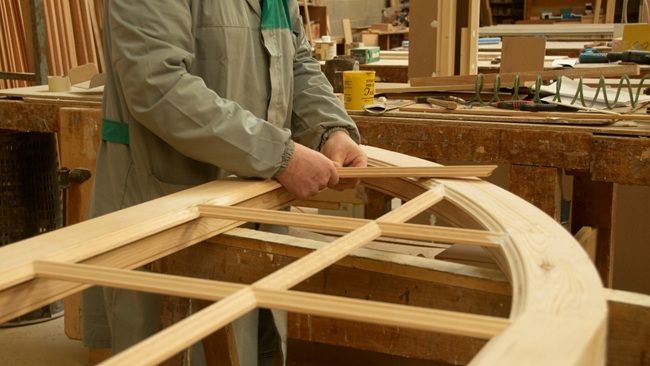
FIEC is highly concerned that carpenters who produce and install doors and windows on site under a service contract could be treated as manufacturers under the future standard. They would then face the full set of obligations under the CPR: determining product types, maintaining technical documentation, and keeping the Declaration of Performance and Conformity (DoPC), the Digital Product Passport (DPP) and the CE marking consistent. For artisan businesses, SMEs and micro-enterprises, this would mean a permanent product-data management burden that is hard to carry, with the risk that skilled professionals leave the trade. FIEC has warned against a resulting “carpenter exodus”. Member States are expected to vote on the standardisation request in the Committee on Standards (CoS) within this month.
The European Commission intends to use the future standard for doors and windows as a blueprint for all further requests, so its handling of contractors matters well beyond doors and windows.
FIEC supports a well-functioning EU Single Market and recognises the value of further market integration where it can deliver tangible benefits, including greater cross-border use of construction products, increased competition, enhanced innovation and lower costs. This is also important in view of the broader competitiveness and affordable housing agendas.
FIEC remains fully committed to continuing a constructive dialogue with the European Commission at all times, with the objective to ensure that any future approach is proportionate, practical, and genuinely beneficial for the competitiveness of the construction sector and the wider European economy.
Information about the Construction Products Regulation (CPR) has been made available by the European Commission here.