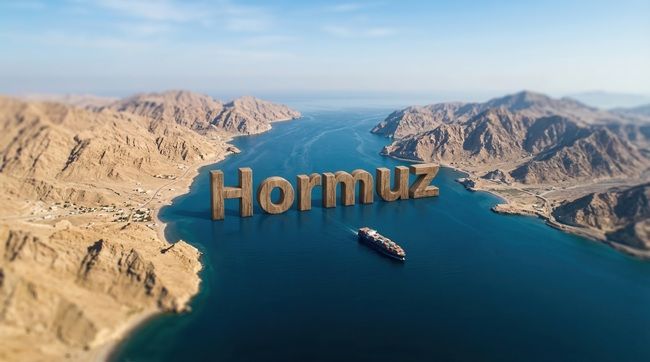
To assess the potential impact of the Middle-East crisis on the construction sector, FIEC carried out a flash survey among its members. One conclusion stands out clearly from the first responses: the main shock would first be a price and cost shock, rather than an immediate, generalised supply shortage.
Across Europe, bitumen and diesel appear as the two most consistently vulnerable inputs. More broadly, concerns also extend to oil-based products, petrochemical derivatives and highly energy-dependent materials. At this stage, the picture remains uneven: while some respondents report that operational difficulties are not yet visible on the ground, others already point to supply tensions or serious logistical pressure. The overall trend is therefore one of rapidly rising costs, increasing uncertainty for contractors, and growing concerns over transport and procurement, even before any widespread physical shortage has fully materialised.
Beyond rising costs, however, contractual issues are the source of greatest concern. In many countries, price revision mechanisms in public procurement do exist, but they remain too slow, too partial or too restrictive to absorb a sudden shock. The situation is even more concerning in countries that do not have such mechanisms, such as Spain. In private contracts, the picture is even more fragile, with difficult renegotiations, limited contractual protection and a growing risk of delays, claims or suspensions if tensions persist. Public responses also remain limited for now, suggesting that the sector is on alert while policy action is still at an early stage.
In conclusion, a clear message emerges from the survey. The sector needs more responsive price revision mechanisms, stronger safeguards against extreme volatility, and reinforced efforts to secure access to essential materials and inputs. If conflics in Middle-East and tensions around the Strait of Hormuz were to persist, Europe’s construction sector could quickly move from a cost shock to a broader operational disruption, with direct implications for housing, infrastructure and the wider European transition. Recent geopolitical developments only heighten these concerns. The announcement by Donald Trump regarding operations and conflicts in the Middle-East is a stark reminder that a risk scenario could swiftly become reality.